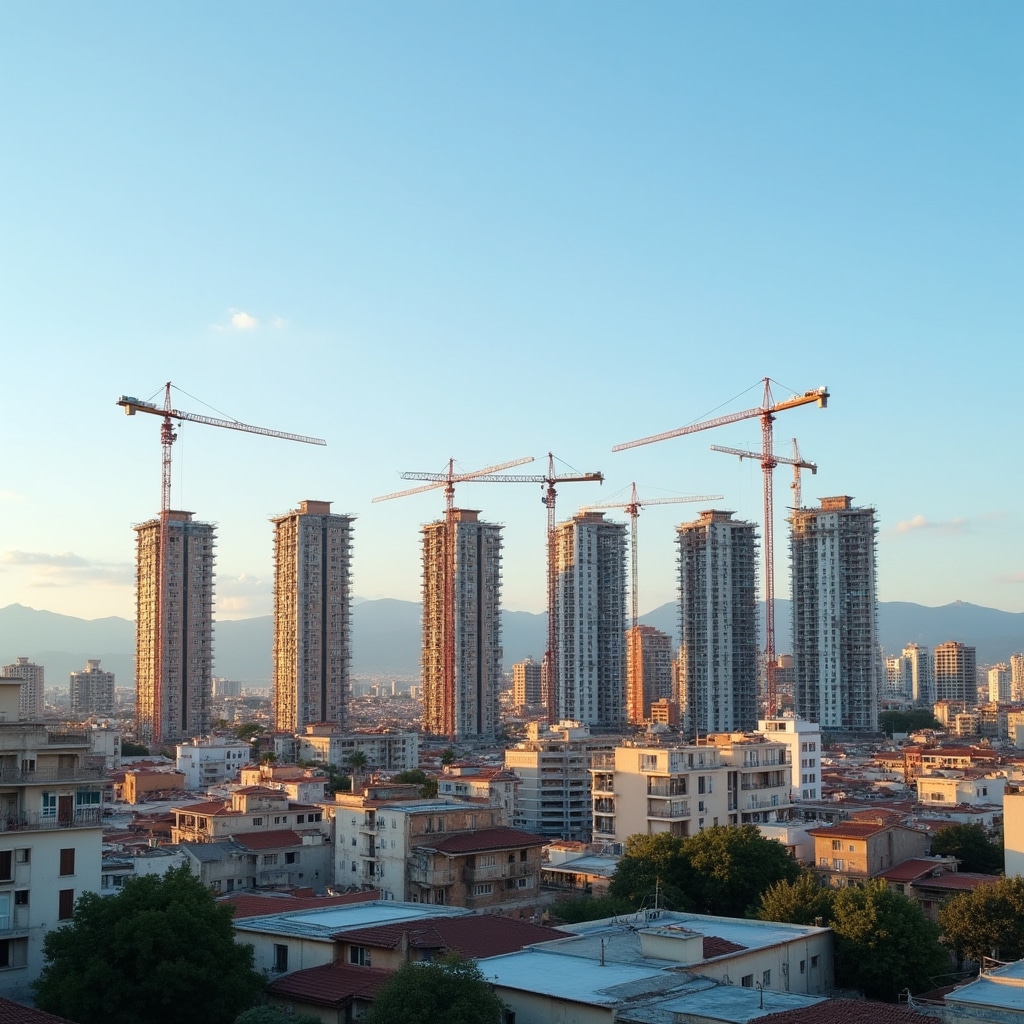
Understand real estate finance before you decide anything
Caltrionex is an educational platform built for Chileans who want to understand how the property market works. No prior financial knowledge required. No products sold, no investments offered.
When someone in your family starts talking about buying an apartment off-plan, or you hear about a construction project you could join collectively, it helps to understand the vocabulary first. Our courses build that vocabulary from the ground up.
Chile's property market operates through a specific set of actors: developers (inmobiliarias), construction companies, notaries, the Conservador de Bienes Raíces, and financial institutions. Understanding who does what, when, and why is the starting point for interpreting any offer or document you encounter.
This module covers the lifecycle of a residential development project in Chile, from land acquisition and municipal permits through to final delivery (recepción final) and individual title registration. We explain terms like promesa de compraventa, escritura, and subsidio habitacional in plain language.

In Chile and elsewhere, people sometimes pool resources to participate in a development project before individual units are sold. These arrangements take different legal and financial forms. Some involve formal real estate investment funds (fondos de inversión inmobiliaria), others use cooperatives or other structures regulated by Chilean law.
Our content explains what these models look like structurally, what documentation typically governs them, and what questions a person should understand before engaging with any such arrangement. We do not promote, recommend, or intermediate in any project.
Words like tasa de interés, CAE, UF, rentabilidad bruta, and plusvalía appear constantly in Chilean real estate conversations. Many people encounter these terms without a clear frame of reference. This module builds that reference by explaining each concept in concrete, everyday terms.
We also cover how mortgage products work in Chile, what determines the monthly installment of a crédito hipotecario, and how to read the key figures in a simulated credit offer. The goal is comprehension, not advice.
Chilean law provides specific protections for people who purchase property under a promesa or contrato de compraventa. The Ley del Consumidor, the Ley General de Urbanismo y Construcciones, and regulations from entities like la CMF (Comisión para el Mercado Financiero) all shape what rights buyers and participants hold.
Understanding these frameworks helps you recognize what protections exist, what documentation should be present in any formal arrangement, and what questions are worth asking a professional before signing anything.
Reports from the CChC (Cámara Chilena de la Construcción), data from portals like Portal Inmobiliario, and periodic publications from the INE all contain information about property prices, supply, and market trends. But interpreting this data requires understanding what each metric actually measures.
This module teaches how to read housing market reports, understand price-per-square-meter comparisons across comunas, and distinguish between short-term fluctuations and structural trends. This is educational content about data literacy, not market forecasting.
A 30-year mortgage, a promesa signed before a project is built, a collective arrangement with other participants: these are significant commitments. People who understand the mechanics behind them are better positioned to ask the right questions.
Caltrionex was built around a simple observation: financial education for the property sector in Chile is either aimed at professionals or buried in complex regulatory documents. There was almost nothing designed for people making their first real engagement with this world.
Each module is designed as a standalone learning block. You can move through them in order or jump to the topic most relevant to where you are right now.
How supply and demand work in Chilean housing, what drives prices across different regions, and how the main market players interact from project conception to final sale.
What a crédito hipotecario actually involves, how banks calculate monthly payments, what the UF is and why it matters, and what questions to ask when reviewing a credit simulation.
A plain-language overview of the different legal and financial frameworks that allow groups of people to participate collectively in construction and real estate development projects in Chile.
Promesas, escrituras, planos, certificados de dominio. This module teaches you how to read and understand the most common documents involved in Chilean property transactions.
How Chilean municipal plans (planes reguladores) define where and what can be built, why zoning affects property values, and how construction permits fit into the regulatory framework.
What Chilean law protects when you sign a promesa or purchase a new property off-plan, which entities supervise the sector, and what recourse mechanisms exist for buyers.
Whether you're exploring what it means to buy a property, trying to understand an offer you received, or simply curious about how the real estate market functions in Chile, our courses provide a clear, unbiased starting point.
Explore our approach
Caltrionex does not intermediate in any property transaction. We do not connect buyers with developers. We do not accept commissions from project sponsors. We do not encourage participants to invest in any specific opportunity.
This separation is fundamental to how we operate. It means our content is designed purely to inform and educate, not to lead you toward any commercial outcome.
Read more about our approach